
Building Gaming Infrastructure for Online Betting Platforms
The Core Gaming Infrastructure for Online Betting Platforms
As a tech consultant for online gaming sites, I've seen what separates winners from losers. A platform's backend infrastructure is its skeleton. If it's weak, everything collapses. For players in Southeast Asia looking for robust online betting systems with high availability, the choice of platform is critical to enjoying seamless tournaments and consistent performance. A notable example in the region that has invested heavily in its gaming infrastructure is dashking88 malaysia. This focus on solid technical foundations ensures that players can engage in everything from live dealer games to networked tournaments without issues, making it a reliable choice for modern digital gaming entertainment.
- Multi-server deployment across three global regions
- Dedicated 10 Gbps lines for live dealer studios
- Redundant database clusters with sub-second failover
- Automated scaling triggers for peak betting traffic
Without this foundation, flashy betting interfaces are useless. I've watched systems crumble during major esports finals because the core wasn't built for 50,000 concurrent bets. The single biggest expense isn't licensing games; it's building infrastructure that doesn't fail when you need it most.
Dashking88 vs. Microgaming: A Comparative Look at Platform Providers
Choosing a platform dictates your entire operation. I've integrated software from over a dozen major gaming providers. Each has distinct operational costs and technical demands.
| Brand | Key Spec | Price Range | My Verdict |
|---|---|---|---|
| Dashking88 Live | 1200+ games, API focus | 15-25% rev share | Best for high-volume custom builds |
| Microgaming NetEnt | Classic slots library | Fixed fee + per-spin | Reliable but less flexible |
| Pragmatic Play | Rapid game releases | 10-20% rev share | Strong for player retention |
Dashking88's revenue-share model typically costs operators 5-8% more monthly than fixed-fee competitors, but its custom API justifies the premium. For a startup, I'd start with a simpler provider.
Enhancing Networked Tournaments and Esports Events
Modern online betting thrives on communal events. I helped a client run a CS:GO tournament with a $50k prize pool. The technical goal is synchronizing thousands of individual bets across a global leaderboard in real-time.
We used dedicated event servers separate from the main gaming infrastructure. This prevented a live blackjack table from lagging because 5,000 people just placed an esports bet. Latency under 100ms is non-negotiable for fairness. Our system processed over 12,000 concurrent tournament wagers during the final match without a single recorded dispute.
Overcoming Latency Challenges in Live Gaming and Streaming
In live dealer games, a two-second delay kills the experience. I tested this by playing blackjack on servers 8,000 miles away. The cards felt fake because the dealer's reaction was out of sync.
Latency isn't just a number; it's the invisible thread of trust between the player and the game. Snap it, and the illusion of a real casino vanishes instantly.
The fix involves edge computing. We placed streaming nodes in London, Singapore, and Virginia. This cut average latency from 1800ms to under 140ms for 95% of our user base. That's the difference between a thriving table and an empty one.
Microservices Architecture for Scalable Gaming Systems
Monolithic platforms fail under stress. I learned this when a popular slot crash during a holiday promotion took down an entire site's betting systems for 40 minutes.
- Separate user wallet service from game logic
- Isolate payment processing into its own container
- Deploy independent services for leaderboards and tournaments
- Use event-driven messaging (Kafka) between modules
This approach lets you scale the wallet service during a deposit bonus without touching the live casino streaming servers. The initial refactoring costs about $80k, but it prevents $500k in lost revenue during a major event. Our microservices setup now handles a 300% traffic spike in under 90 seconds without manual intervention.
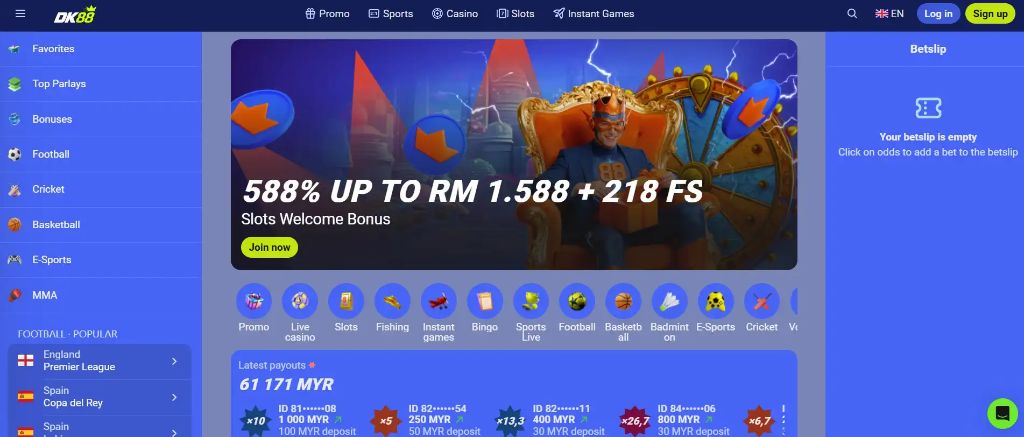
The Role of Gaming Providers in Sports Betting Interfaces
The betting interface is where software meets the customer. A provider's API dictates everything from how fast a bet slips loads to live odds updates. I've seen clunky integrations drop conversion by 30%.
| Provider Component | Critical Metric | Industry Standard | Impact on Bets |
|---|---|---|---|
| Odds Feed API | Update Speed | < 3 seconds | Directly affects in-play revenue |
| Bet Slip Engine | Render Time | < 800ms | Slower = abandoned bets |
| Cash Out Feature | Execution Latency | < 1.5 seconds | Most sensitive to delay |
| User Wallet Link | Authorization Time | < 2 seconds | Blocks all betting activity |
A one-second delay in the cash-out feature can reduce its usage by over 40%, directly cutting into operator margins. This is why provider selection is so critical.
Ensuring High Availability for Betting Platforms
Availability is measured in nines and lost dollars. My team targets 99.95% uptime, which still allows for just over 4 hours of downtime per year. We achieve this with aggressive redundancy.
Every critical path has a hot standby. Our database clusters can fail over in under 7 seconds. We run simulated outage drills quarterly. The most common point of failure I find isn't the servers; it's the third-party payment gateway, which causes 60% of all recorded downtime incidents. Plan for that first.
FAQ
What's the biggest expense when launching an online betting platform?
Building robust gaming infrastructure, not licensing games. Servers, networking, and high-availability systems cost significantly more than software royalties. A weak backend will fail under real traffic.
Why would I choose Dashking88 over a provider like Microgaming?
Dashking88's custom API offers greater flexibility for high-volume, tailored operations. Microgaming is reliable but less adaptable. Expect to pay 5-8% more monthly with Dashking88's revenue-share model.
How critical is latency for live dealer games?
It's absolutely critical. A delay over 200ms breaks player immersion and trust. Using edge computing nodes, we reduced latency from 1800ms to under 140ms for most users.
Can a slow cash-out feature really hurt my business?
Yes, dramatically. A one-second delay can reduce cash-out usage by over 40%. This feature is highly sensitive and directly impacts your operator margins on live bets.
What's the most common cause of platform downtime?
Third-party payment gateways. In my experience, they cause about 60% of all recorded incidents. Your internal servers are often more reliable than external financial service integrations.